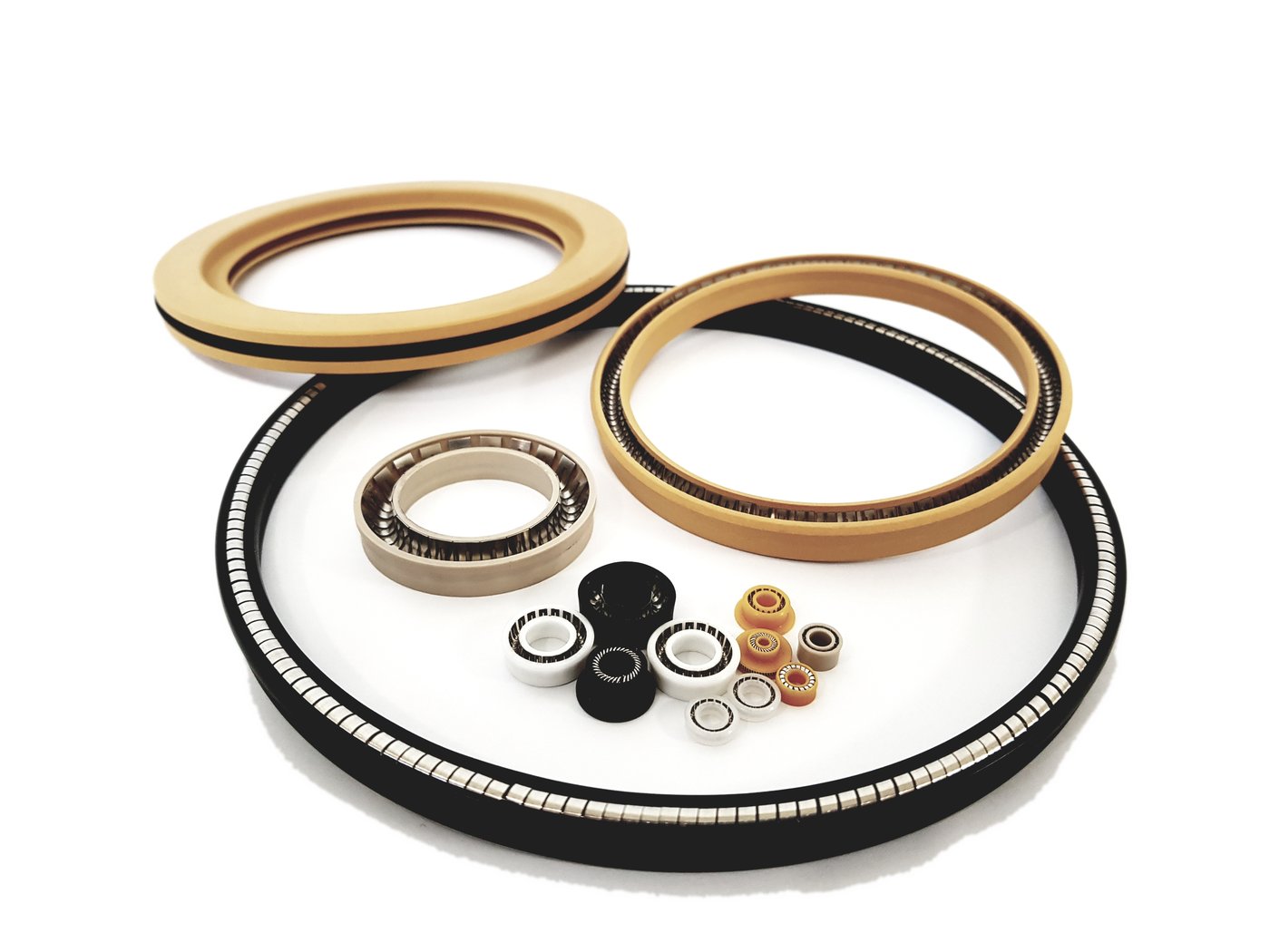
A polymer jacket — typically PTFE — with a metal spring inserted inside. The spring load presses the lip against the mating surface, maintaining sealing even at low pressure or in a vacuum. From cryogenic to high temperatures, aggressive chemicals, high vacuum, and dry-running conditions, it's the go-to alternative wherever O-rings or U-packings reach their limits.
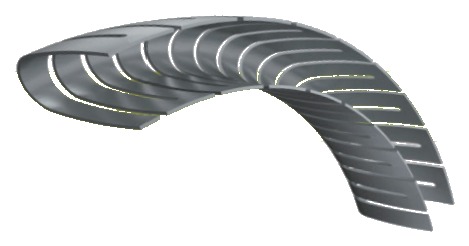
A low, linearly increasing load curve that decreases as wear progresses. The most popular design for highly dynamic conditions, maximizing seal and hardware life.
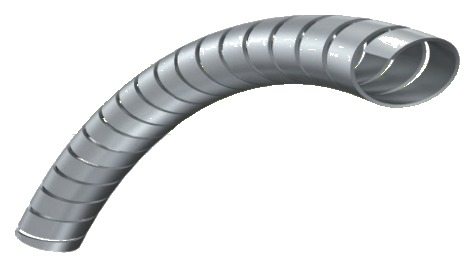
Considerably higher load per unit of deflection. Used mainly in static or low-speed conditions and for demanding seals such as light gases.
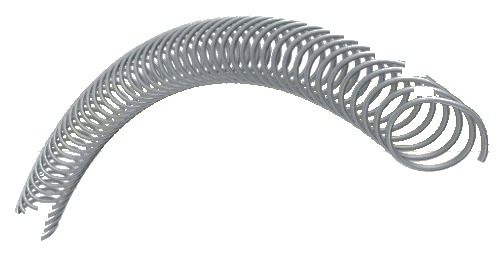
Provides a nearly constant load as deflection increases, allowing large wear tolerance and near-constant friction across a wide deflection range.
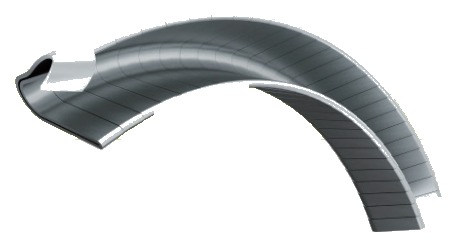
Wound from ribbon spring stock, forming one of the most robust seal types — suitable for dynamic, static, and rotary applications.
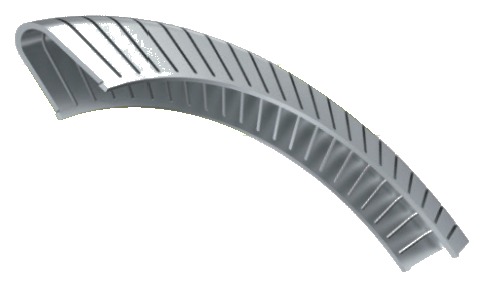
Designed for cryogenic applications, delivering high loads. The spring shape doesn't collapse, making it ideal for extreme temperature swings and sustained high vacuum.
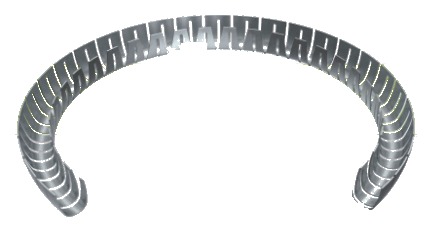
A chemically etched, miniature spring capable of bores as small as 0.5mm — recommended for high-pressure and small dynamic applications.
Spring loads are adjustable; helical, solid, or double-wrapped springs are applied where tighter sealing, high vacuum, aggressive chemicals, or cryogenic conditions demand it.
| Style | Shape | Advantages | Disadvantages |
|---|---|---|---|
| Style A |  Cantilever, single radius Cantilever, single radius | Low wear rate; suited to oscillating, low-speed rotary use | Not suited to dynamic sealing of abrasive media |
| Style B |  Cantilever, bevel lip Cantilever, bevel lip | Improved sealing preferred for dynamic gas/vapor sealing | Hydroplaning possible at high reciprocating speeds |
| Style D |  Cantilever, scraper lip Cantilever, scraper lip | Low wear rate; excellent debris/contamination exclusion | Possible leakage with light fluids or gases |
| Style S |  Cantilever, double radius Cantilever, double radius | Redundant dual-lip design gives a low wear rate | Not suited to dynamic sealing of abrasive media |
| Style X |  Cantilever, enhanced scraper lip Cantilever, enhanced scraper lip | Improved sealing over Style D; preferred for abrasive media | Sometimes combined with other lip styles |
| Style H |  Helical wound, radius lip Helical wound, radius lip | Well suited to cryogenic gas/fluid sealing | Not suited to dynamic sealing of abrasive media |
| Style W | 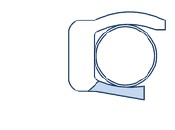 Helical wound, scraper lip Helical wound, scraper lip | Helical high load improves sealing performance | Often combined with a radius lip style |
Stainless steel springs suit general environments; for enhanced corrosion resistance, high temperature, and extreme chemical exposure, special alloy springs such as Elgiloy® (a cobalt-nickel alloy), Hastelloy®, Inconel®, and Titanium are available. Detailed technical data and specifications are available on request.